The ultimate guide to using a paddle mixer
Paddle mixers are ideal for quick and convenient mixing of paint, plaster and more.
The paddles feature rotating blades to make sure that the mix is even and free of lumps. The mixers feature speeds controls to prevent splashing and reduce waste and mess.
But how do you choose one and how should one be used? This blog post explains.
why choose us
Lorem ipsum dolor sit amet consectetur adipisicing elit.
Who uses a paddle mixer?
These machines are ideal for mixing resin bound, cement, plaster, adhesives, grout, fillers, paint and more.
Devices are handheld, compact tools, which can be bought on a small budget and user by commercial users and individuals.
Each paddle using a specially designed whisk which draws in material to ensure it is smooth and consistent.
The practicality and versatility of these mixers make them essential for users across a range of professions.
But what do you need to consider when choosing your paddle mixer?
What to consider when choosing a paddle mixer
Consider the following when deciding on which paddle mixer is best suited to your needs:
Power: The wattages on each mixer can vary greatly.
Substances like paints and varnish are far less thick than plaster and mortar, so will need less wattage. However, greater wattages need more electricity.
Rotational speed: The greater the rotational speed of the device, the faster it will mix substances. With our mixers, a variable speed is available meaning that speed can be changed depending on the materials mixed.
The higher the speed, the greater chance of mess and waste.
Mixing capacity: Mixing capacity is important because it shows the volume of mix that is suitable. Over mixing materials could cause irreversible damage to the mixer and could void the warranty.
Weight: This can also influence the mixer that is chosen. A lightweight handheld mixer is much easier to transport it to where it is needed. A heavy mixer, however, may be more sturdy and easy to control.
How to use a paddle mixer
A paddle mixer is incredibly simple to use.
To use, the device relies on electricity and a motor. At the bottom, the paddle stirs the mix and blends the substances together.
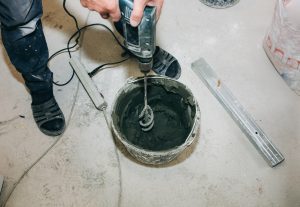
Add the correct amount of substances into a bucket, ensuring that is beneath the maximum capacity. Place the mixer upright in the centre of the container and switch on the paddle mixer to a low setting.
As you get used to the mixer, the speed can be increased. The faster the speed is increased, the more risk of spillages.
The whisks follow the sloping sides of the tub, meaning it can be held vertically and still scrape the edges.
When the substance is fully mixed then the paddle mixer can be powered down.
How to choose the ideal mixing whisk
There are four types of whisk but many variations in the GCL Products range.
The BA Series of whisks are suited to mixing low-viscosity materials. This includes paints. This series features fewer curves on the whisk than the GA and SA variants due to the lesser thickness of materials being mixed.
The GA Series and SA Series are suited to mixing high viscosity materials such as resin binder, plaster, mortar and tile adhesive.
The SA-NEG Series whisk is ideally suited to mixing low viscosity materials such as paint due to its anti-clockwise movement.
Browse Mixing and Whisks here
What are the alternatives to paddle mixers?
Forced Action Mixers are an alternative to paddle mixers, used by contractors and professionals in a wide range of markets.
The mixers are built to mix resin bound gravel, concrete, liquid screed and wet pour gravel. They are designed and manufactured to handle the toughest of environments.
Mixers are built to be taken to where they are needed. The machines are made to be transported by a single individual, are fitted with wheels and are easy loading.
Find out more about mixing and whisks
850w Paddle Mixer: This is SoRoTo's smallest handheld electric paddle mixer. It is durable and can be used alone or with a forced action mixer. It is ideal for use with a plasterers whisk and is durable and ergonomic. It is ideal for tradesman to increase productivity. Perfect for plaster, paint and cement.
1220w Paddle Mixer: Our best-selling paddle mixer is a larger electronic mixer designed for regular use. It can be used with forced action mixers for resin bound gravel to combine two separate parts of epoxy resin. It is a robust and durable semi-professional mixer drill, perfect for plasterers and ideal for render, concrete and much more.
1300w Paddle Mixer: This is SoRoTo's largest handheld continuous use electric mixer. It is ideal for mixing plaster, mortar, paints and more. Choose
More of our products

Electric Hand Mixer Concrete

Hand Electric Operation Paint Concrete Mixers

Electric Paint Mixer

Concrete Grinder For Driveway